
Cyprus heat, low humidity and wind are the main reasons fresh screeds and slabs crack. On CONCREX projects, sensors on site track the curing conditions and calculate the crack risk live, so our team acts before damage happens, and you can follow your own pour online.
Enter the project code we sent you to open your live dashboard.
The same physics engineers use to judge plastic shrinkage cracking, measured continuously instead of guessed once.
We install sensors at the pour to record air temperature, relative humidity and, outdoors, wind speed.
The platform combines the readings with the concrete surface temperature to calculate the evaporation rate in kg/m²/h.
Each project has a caution and an upper limit. The dashboard shows instantly where the pour stands.
Our crew responds with fogging, windbreaks or covers when needed. At the end you receive a PDF curing report.
Evaporation rate is the standard indicator of plastic shrinkage cracking risk in fresh concrete and screeds.
Normal curing conditions. Standard curing continues.
Increase protection: fogging, windbreaks, covers or curing compound.
High cracking risk. Active fogging and curing measures are required immediately.
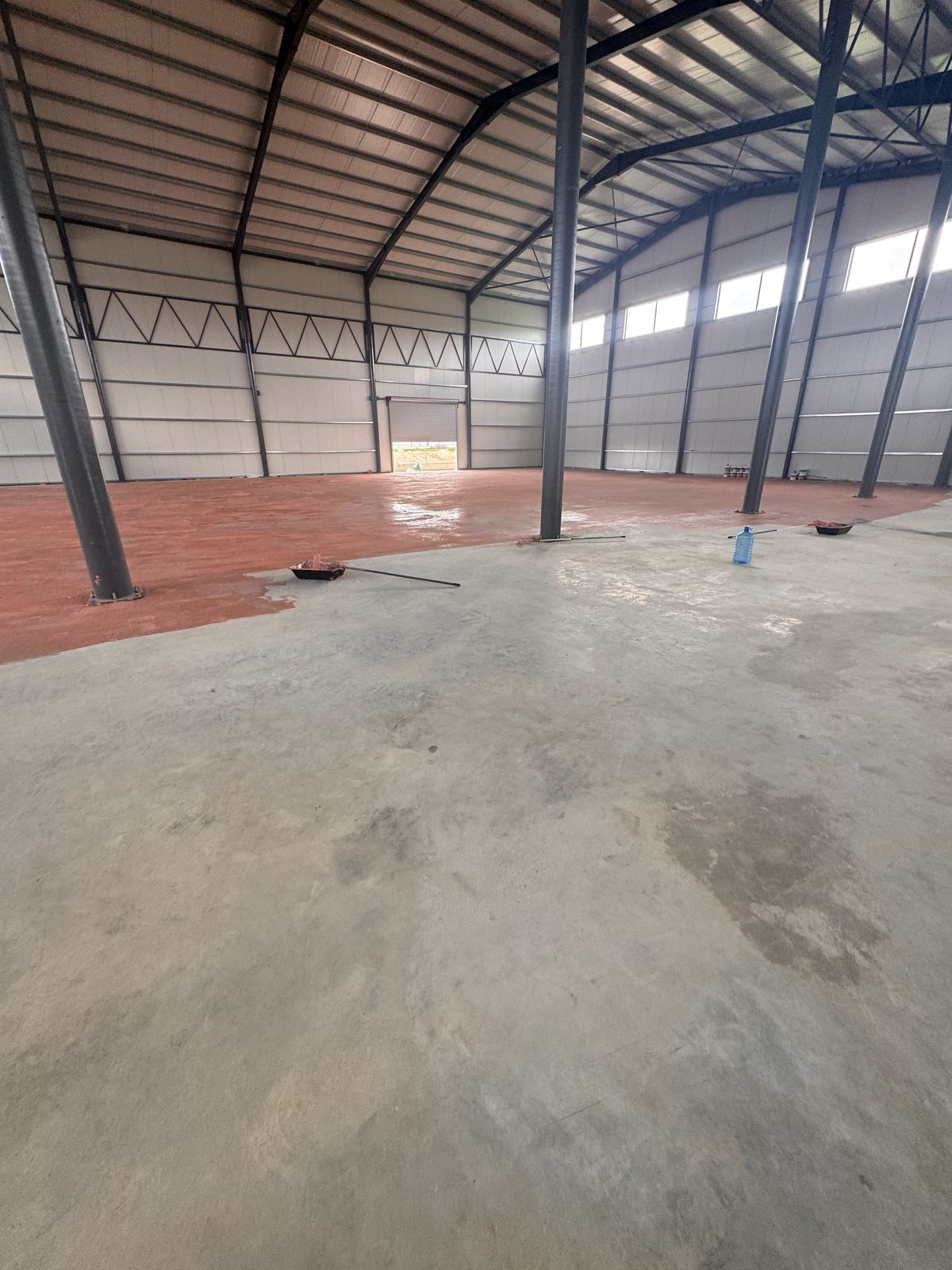
When surface water evaporates faster than bleed water rises, the surface dries, shrinks and cracks. Hot air, low humidity and wind, typical in Cyprus, drive the evaporation rate up.
Air temperature, relative humidity and wind on site. From these and the concrete surface temperature it calculates the evaporation rate in kg/m²/h, the standard indicator of plastic shrinkage cracking risk.
Yes. Every monitored project gets a private code. Enter it on this page to open the live dashboard from your phone or computer.
A PDF report with the full curing history and risk levels, useful for quality records, engineers and warranty files.
We offer it on CONCREX self-levelling and screed projects, and on request for other concrete pours. Ask us when you book.
Live monitoring is available on CONCREX self-levelling and screed projects. Ask us for details.